• Teletext and the Early Ages of Digital Art

    Teletext and the Early Ages of Digital Art

    I first heard of Teletext one day when reading about pixel and ASCII art. Teletext is a standard for displaying text and graphics on a television invented in the early 70s on the UK. It works by sending the information in the broadcast signal on an invisible area of the display which is then decoded and buffered in a series of “pages“ which can be accessed via the remote control.

    I never thought I’d ever see something like that until recently when I spotted it still working on a TV hotel in Rüdesheim am Rhein, Germany in 2023.
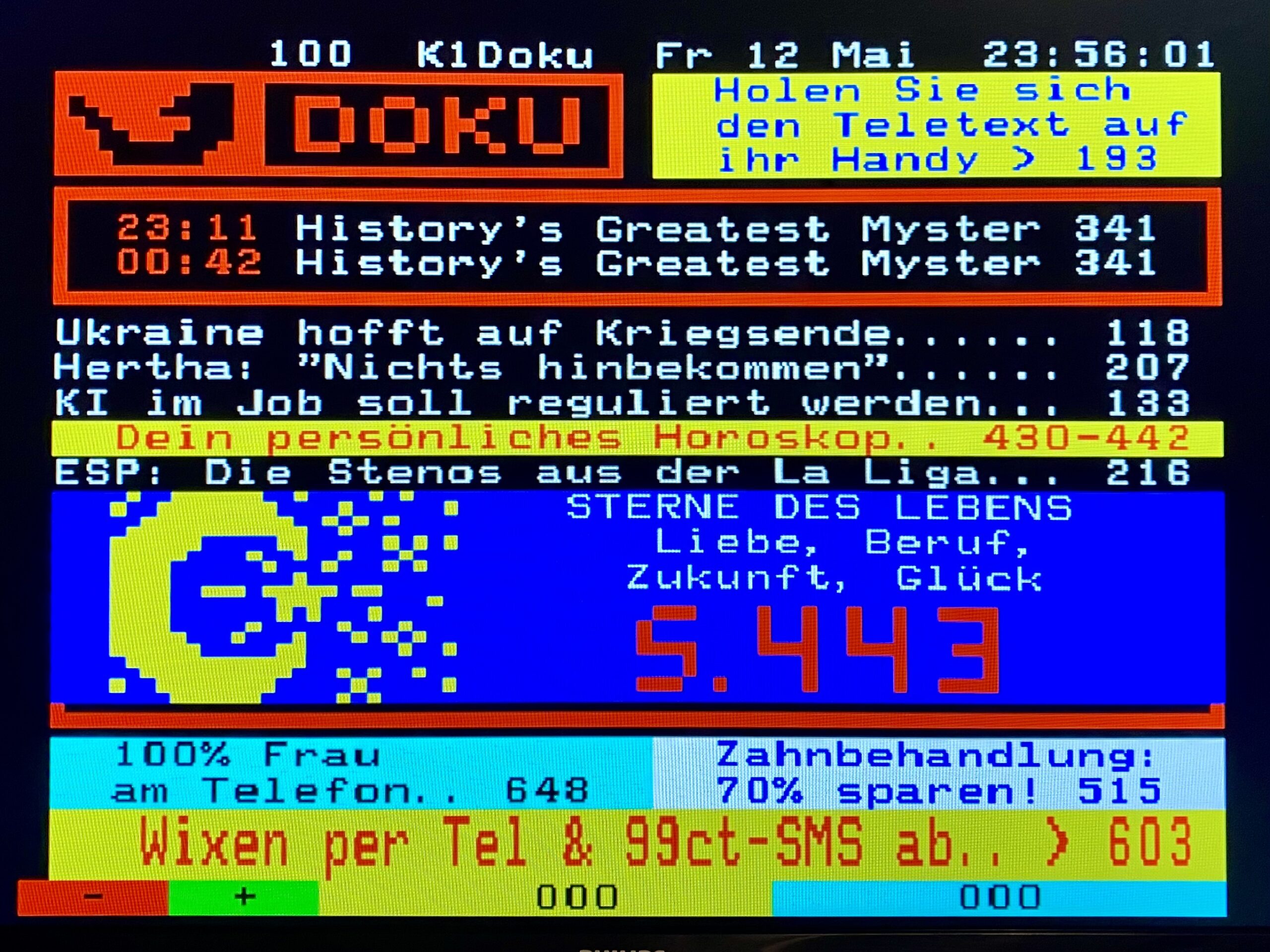
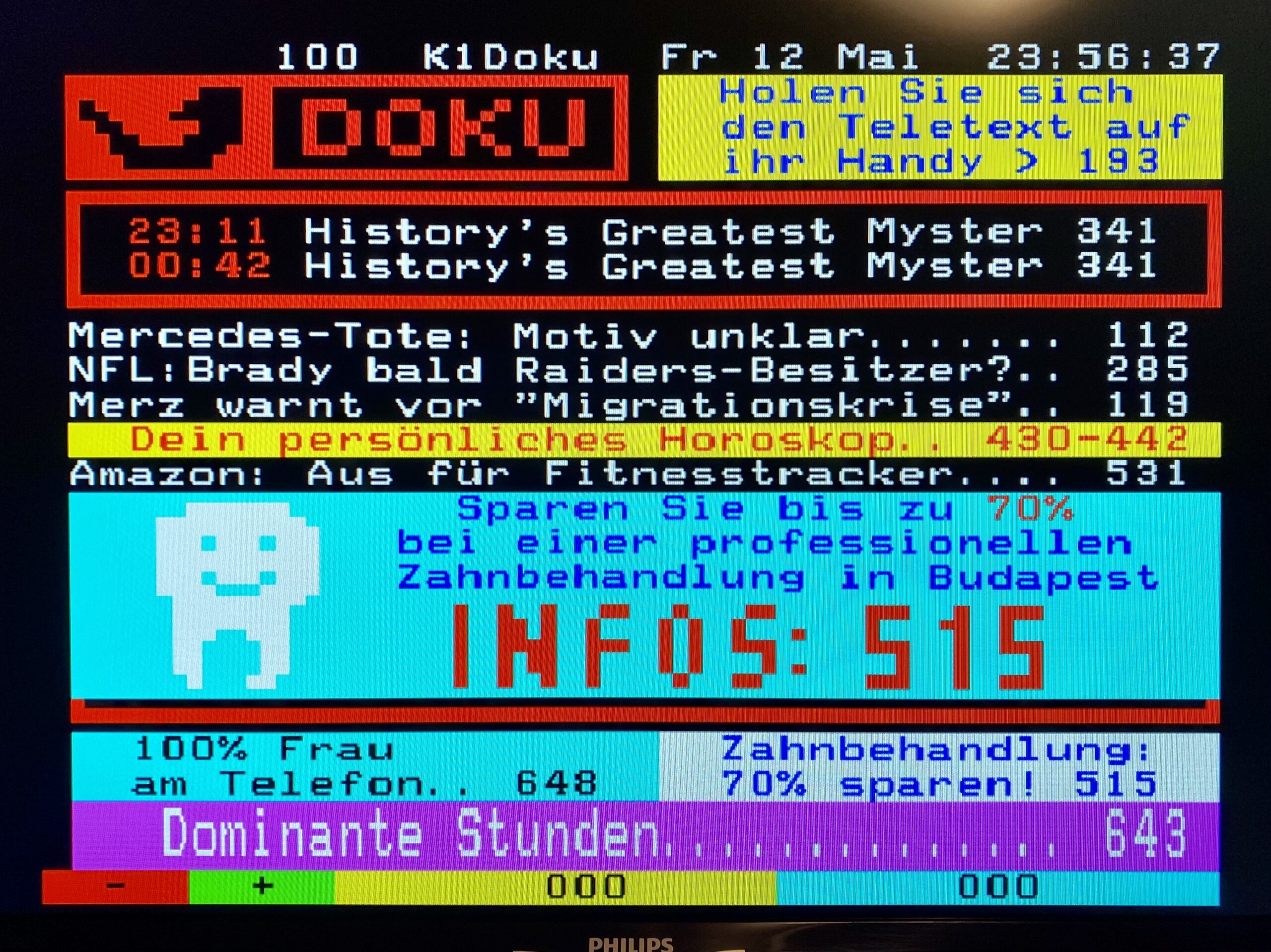
    A friend of mine (@werls) then pointed me to Telidon, a telecommunication system invented in Canada in the late 70s. Recent art projects are seeking to recover and preserve the digital art created during that period. Motherboard also published a cool video about its history and legacy.
    The Lost Art of Canada’s Doomed Pre-Internet Web
  • Annie, Let’s Not Wait

    Annie, Let’s Not Wait

    Music video for the song Annie Let’s Not Wait by Guillemots (YouTube)
    Annie, let's not wait, let's cross the river now
    We could sit for years staring at our fears
    Oh they're such pretty things they're so cute
    But our dreams are all we really need to grow
  • Show Me Mary

    Show Me Mary

    “Show Me Mary” by Catherine Wheel (YouTube)
    Mary sticks her tongue out, it's a sign
    Two fingers is a magical state
    And she promised me she'd show me why
    I don't think I can wait
  • Surprise, surprise on the stage

    Surprise, surprise on the stage

    You know being positively surprised is one of the best feelings there is.

    The other day I went to this music venue here in Dortmund with Fernanda expecting to watch a Mastodon concert, no big deal.

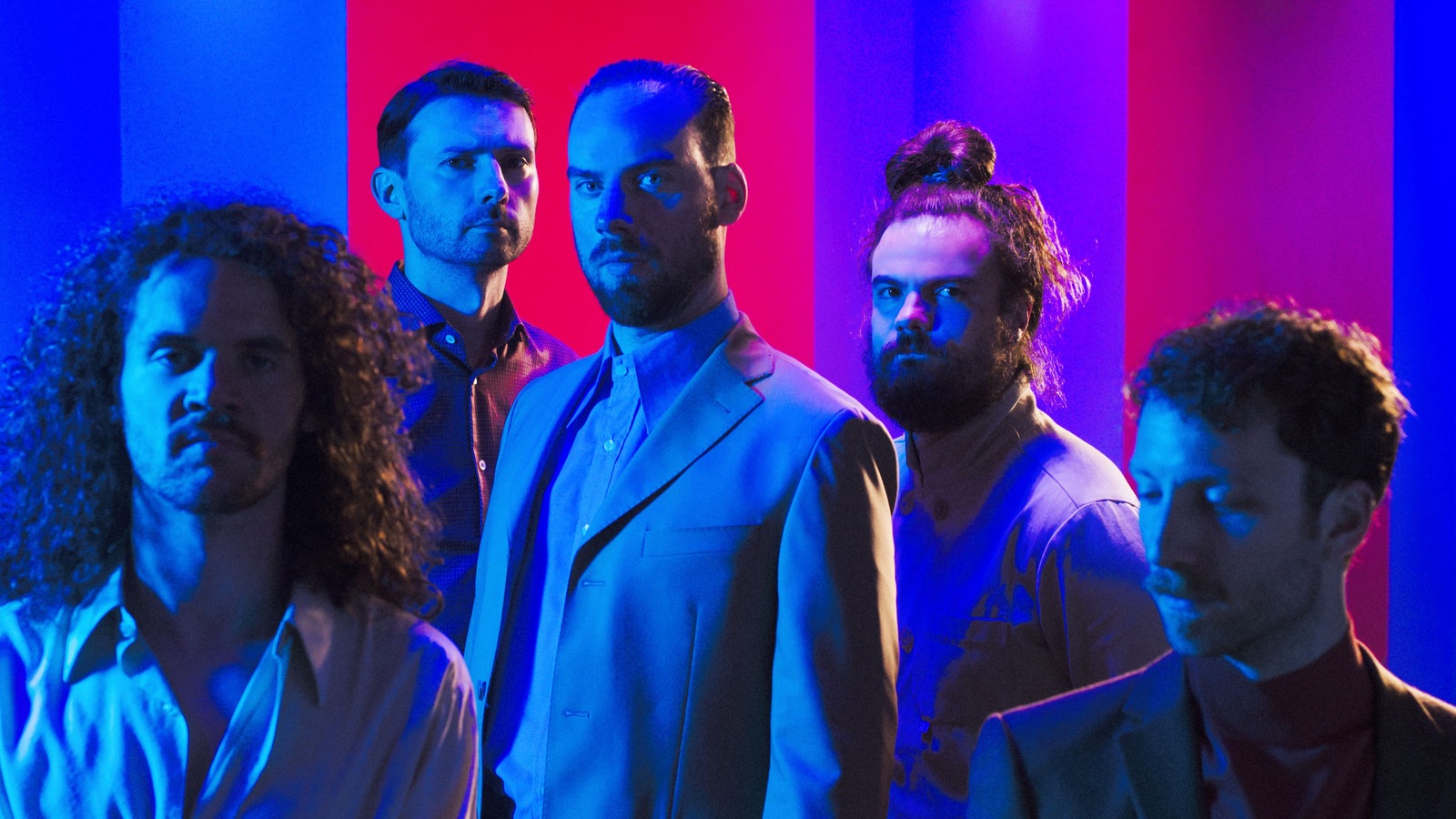
    Like, Mastodon was fucking great and all, no surprises there, but what we ALSO got was an excellent, entertaining as fuck performance by opening band De Staat.

    The bass part in particular was NUTS. Loud, heavy and groovy. It’s something that unfortunately can’t be easily reproduced on video, but I think you can get a decent feel how they are on the stage.

    Favorite tracks: Input Source Select, Pikachu.

    De Saat Live @ Rockpalast
  • The inconspicuous beauty of liquid-crystal displays

    The inconspicuous beauty of liquid-crystal displays

    The world around us is rather spectacular. It’s filled with things that may look ordinary for the naked eye but at close inspection can reveal an entirely new dimension.

    Take liquid-crystal displays, for example.

    No, not the one you’re looking at. The screen in which you’re reading this probably is a modern LCD panel made of billions of microscopic red, green and blue-coloured LEDs which are beautiful in and of themselves. I’m talking about its grand-grand-grand-grandmother, the one which shows these odd-looking, seven-segment digits.

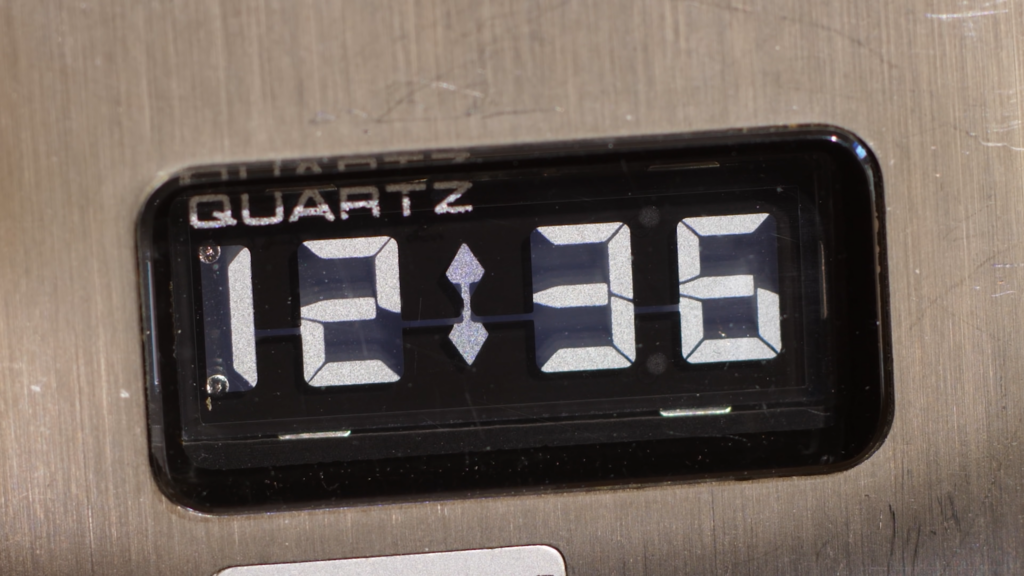
    An old digital watch face displaying the time
    A digital watch face displaying the time.

    Like many computer technologies, LCDs were pioneered in the 60s. It got lighter and more efficient, sure, but its basic design and function didn’t change drastically through the years.

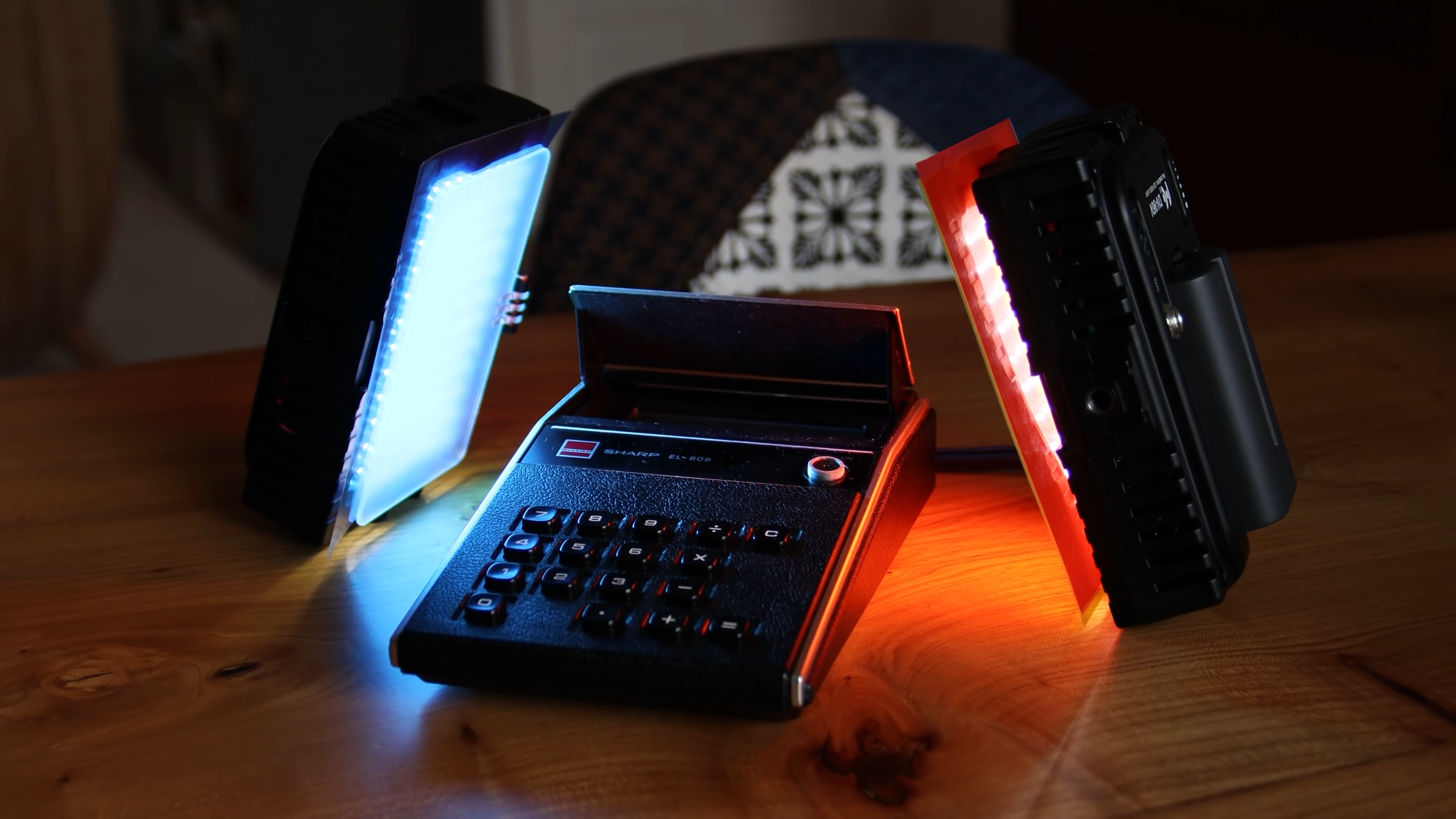
    Its simple, elegant interface’s everywhere: on digital watches, microwave ovens, cameras, audio recorders, musical instruments, elevators, calculators, gym equipment, car dashboards, cellphones — old ones, remember? — and many others.

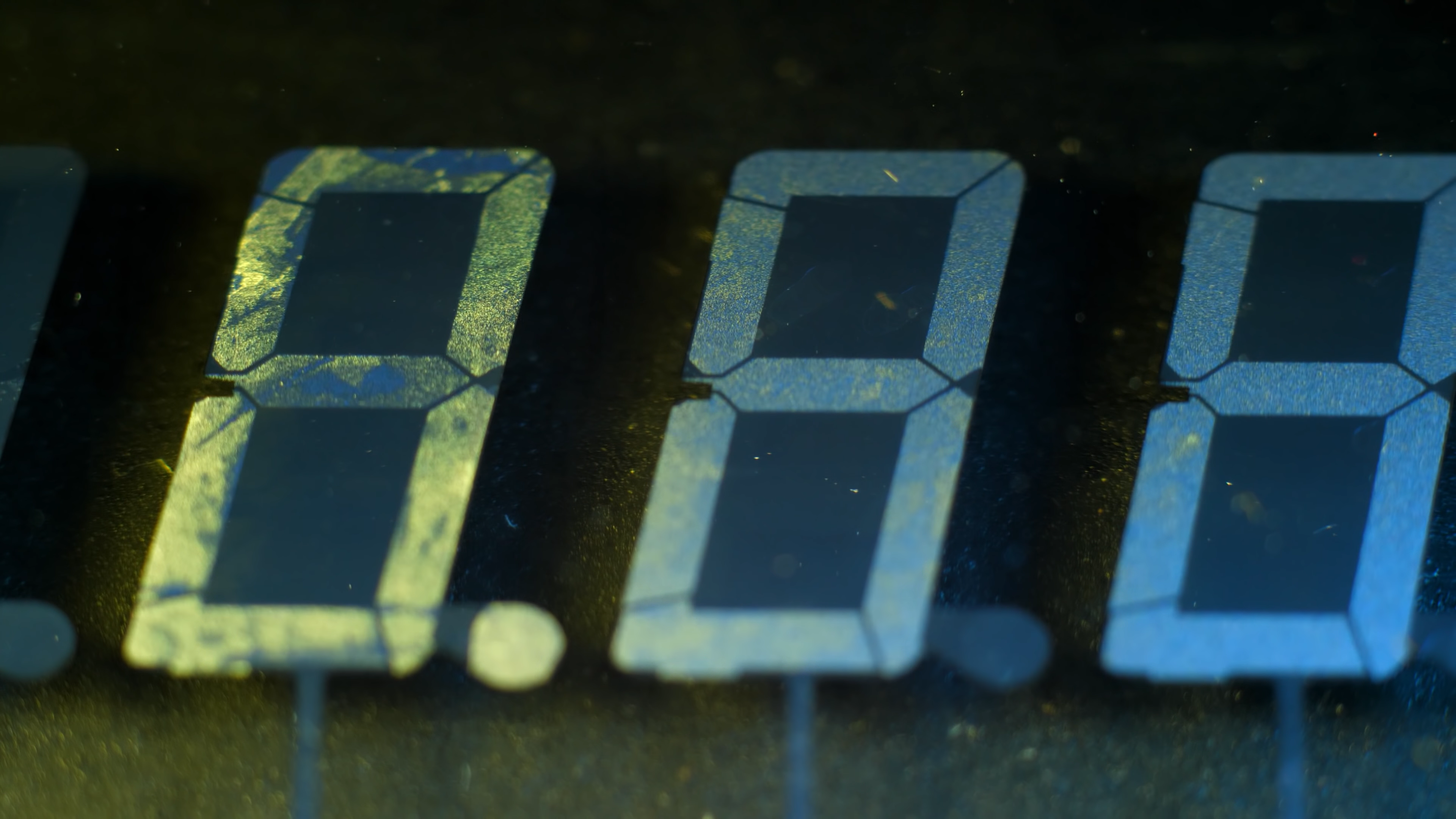
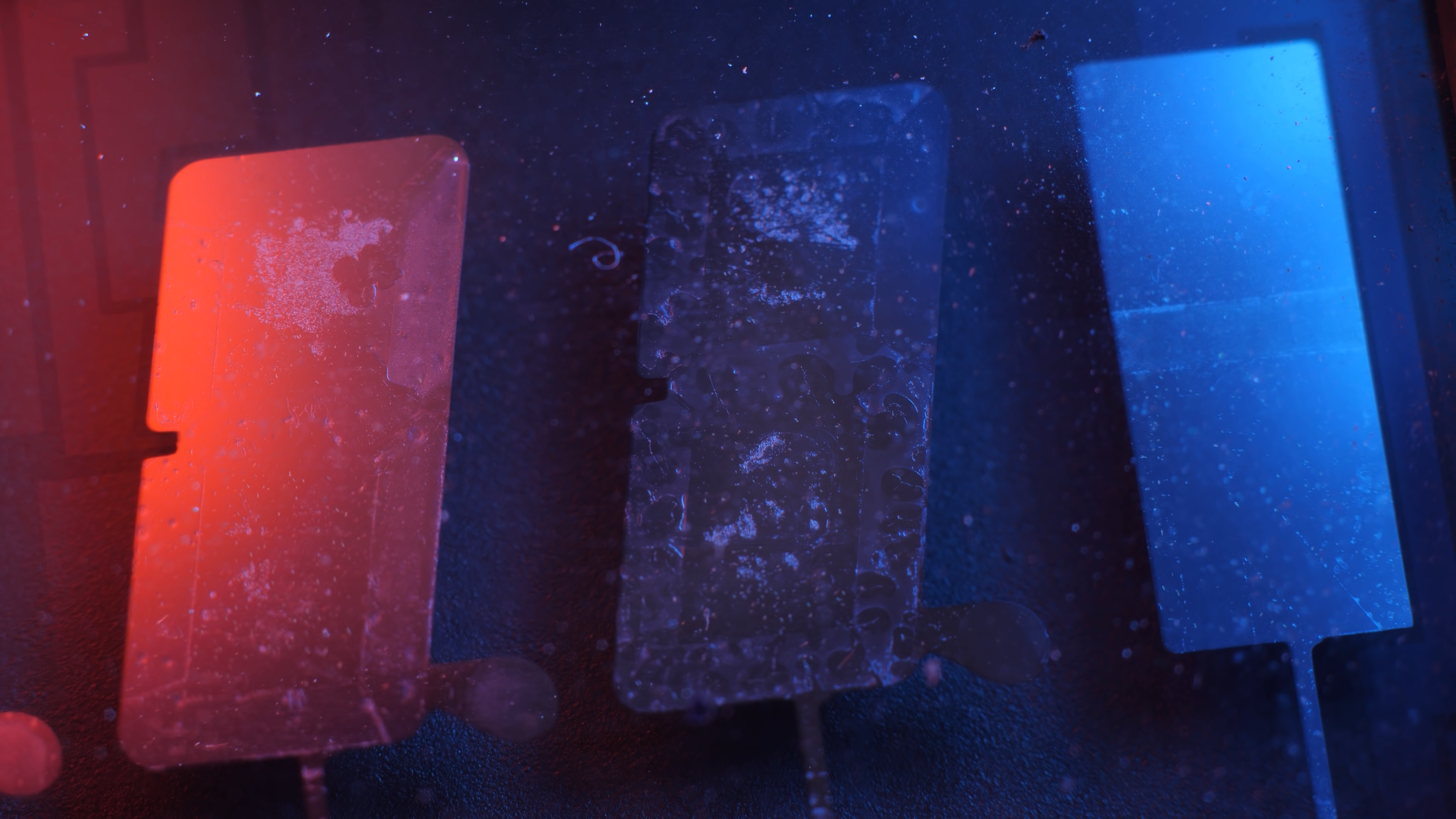
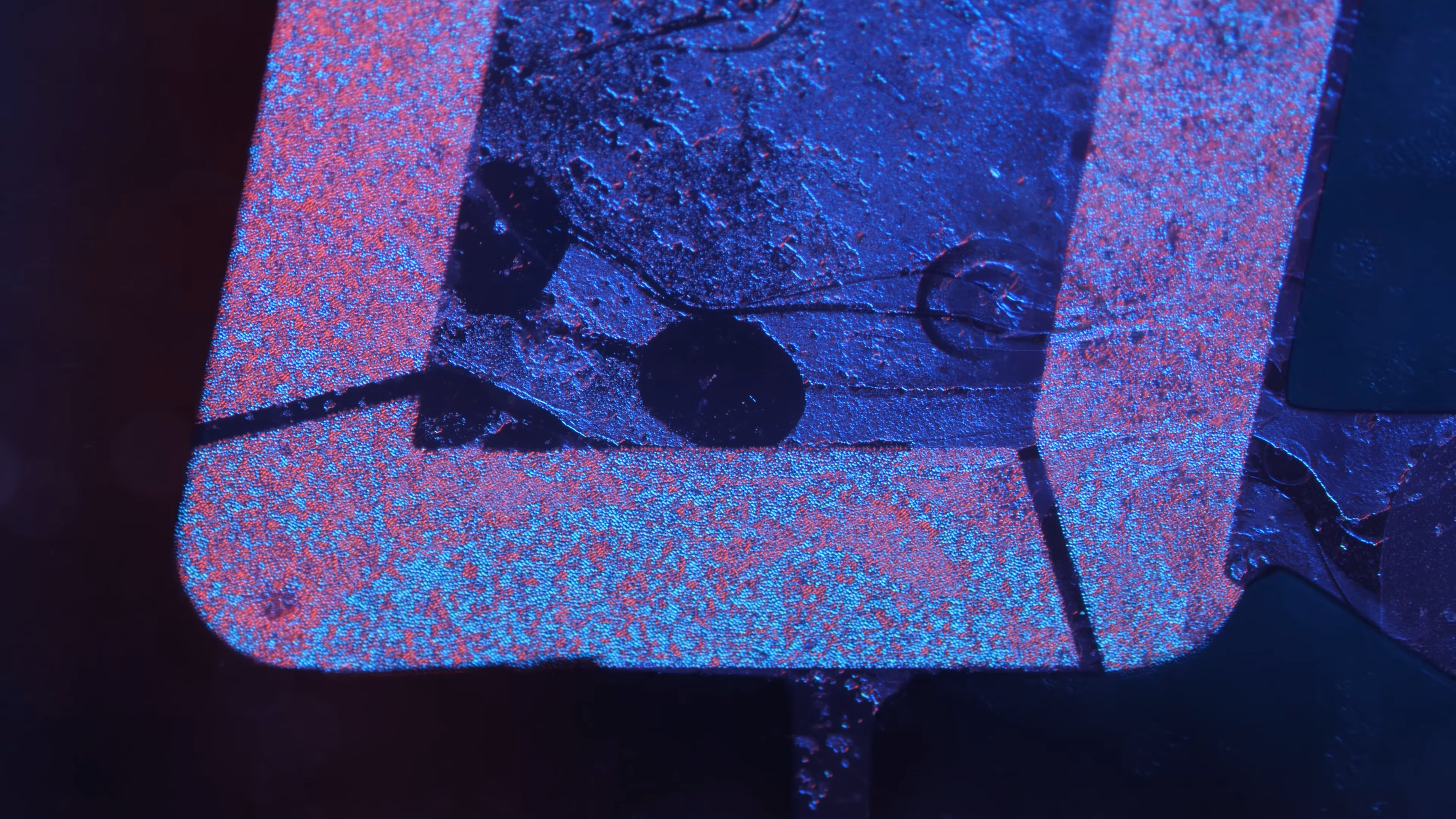
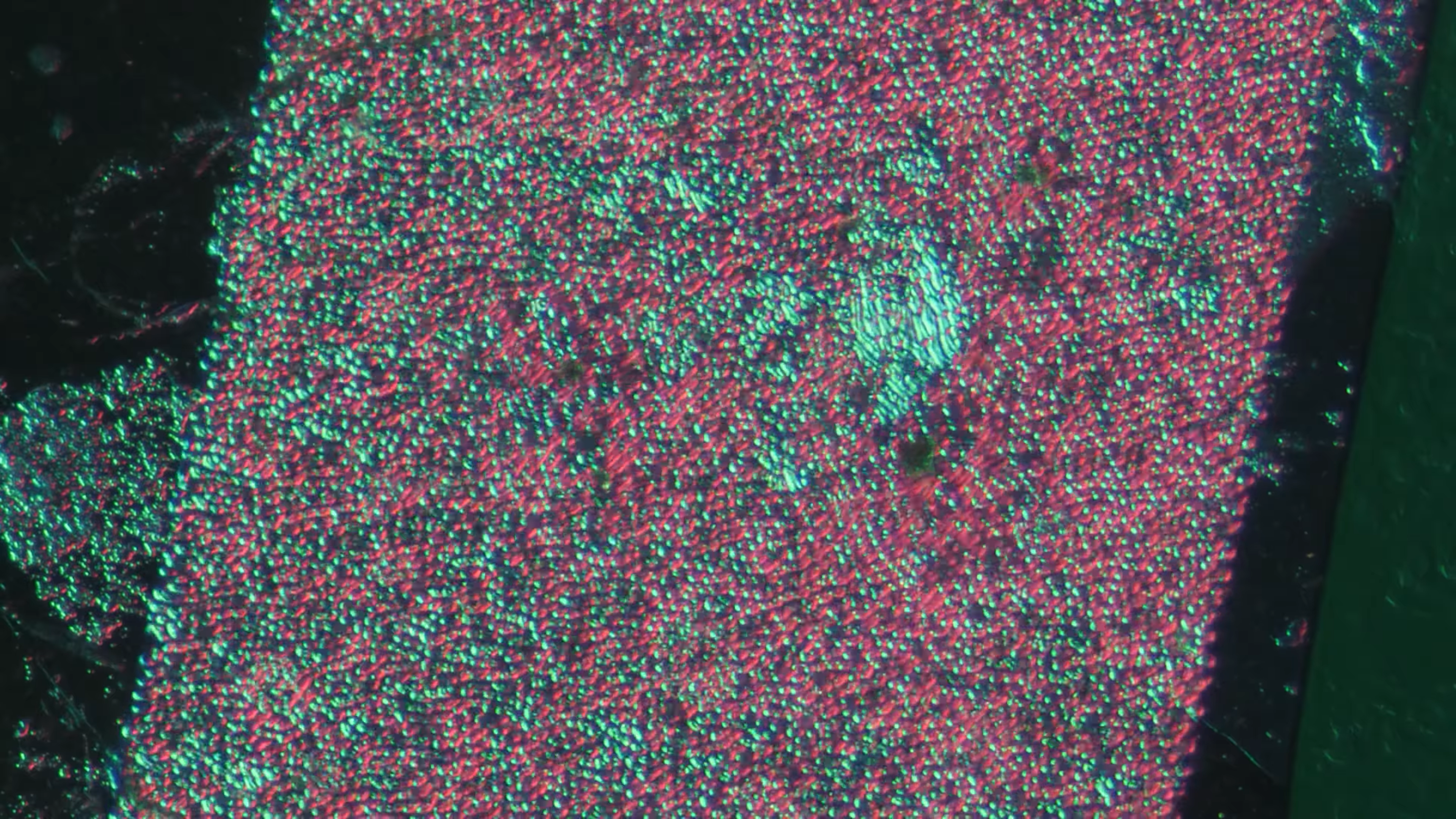
    But one thing these old, primitive liquid-crystal displays possess it’s their peculiar optical properties. Something that’s not quite obvious to notice without a powerful macro lens and additional light sources.

    Check out this video (with headphones on) and be amazed:

    The DSM LCD (like) you’ve never seen

    If you don’t trip after this you probably have spent too much time in Amsterdam but hey, I’m not judging.

  • From screen pixels to ink on paper

    From screen pixels to ink on paper

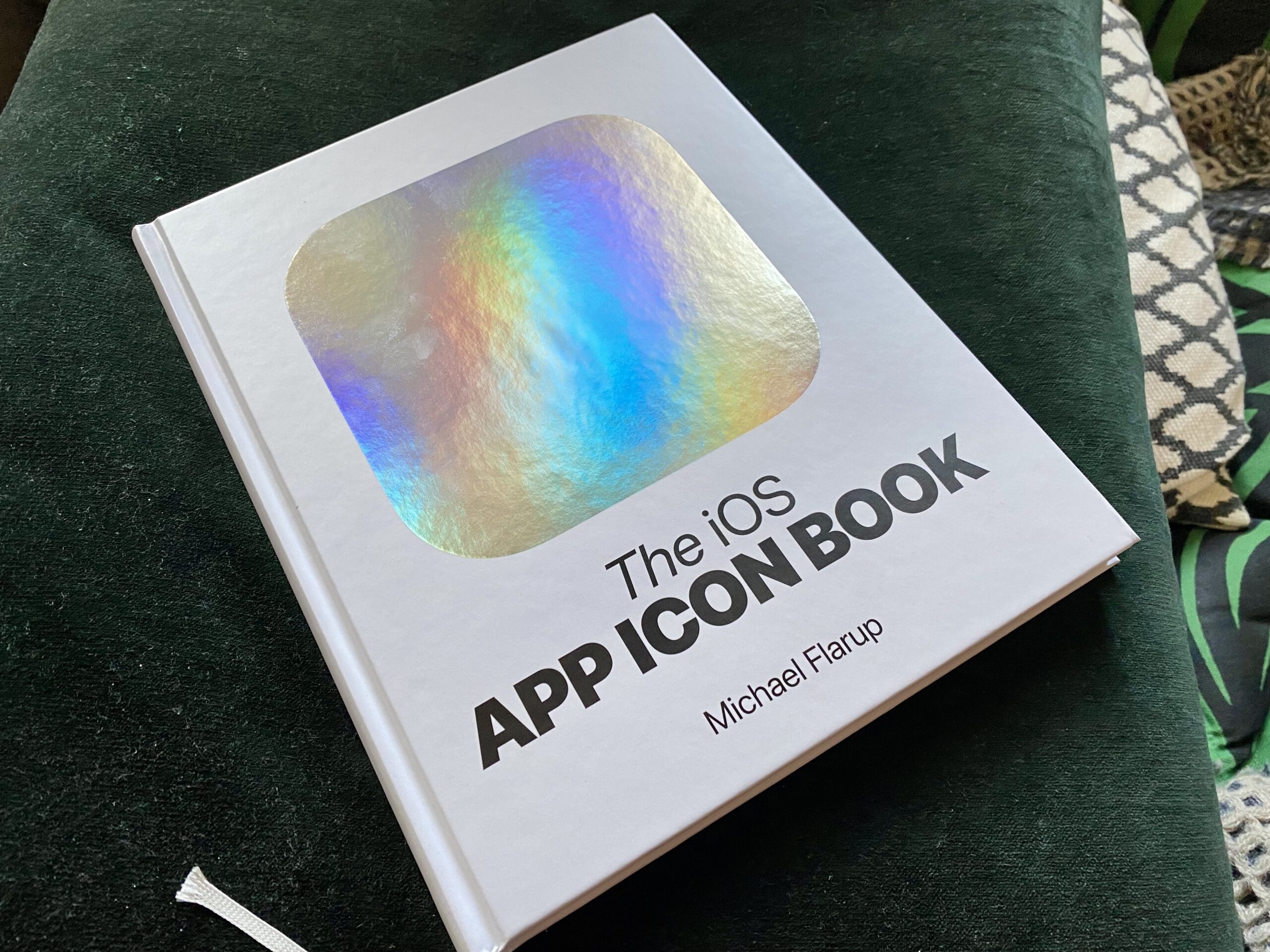
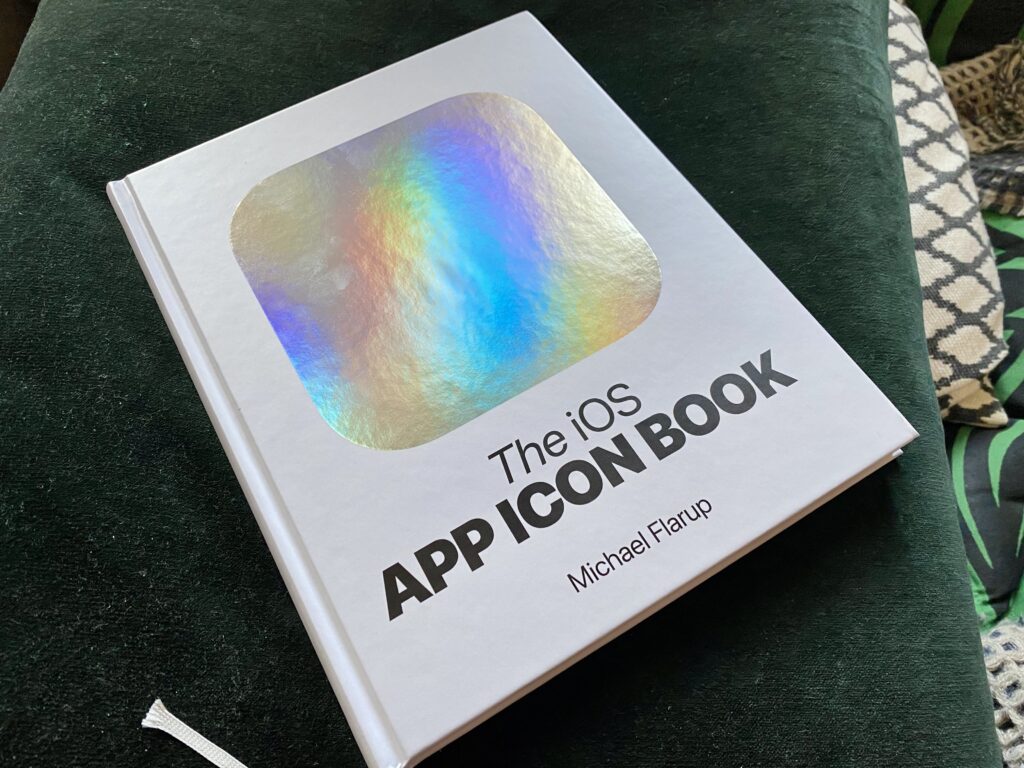
    This beauty arrived in the mail just the other day. ✨

    The iOS App Icon Book is a project created by Michael Flarup that celebrates the art and craft of app icon design.

    The project was funded by a successful Kickstart campaign that raised over 135.000 € by 1.450 backers.

    An aside, this is actually the second Kickstarter campaign that I’ve backed, the first one being the Pebble 2 smartwatch back in 2016.

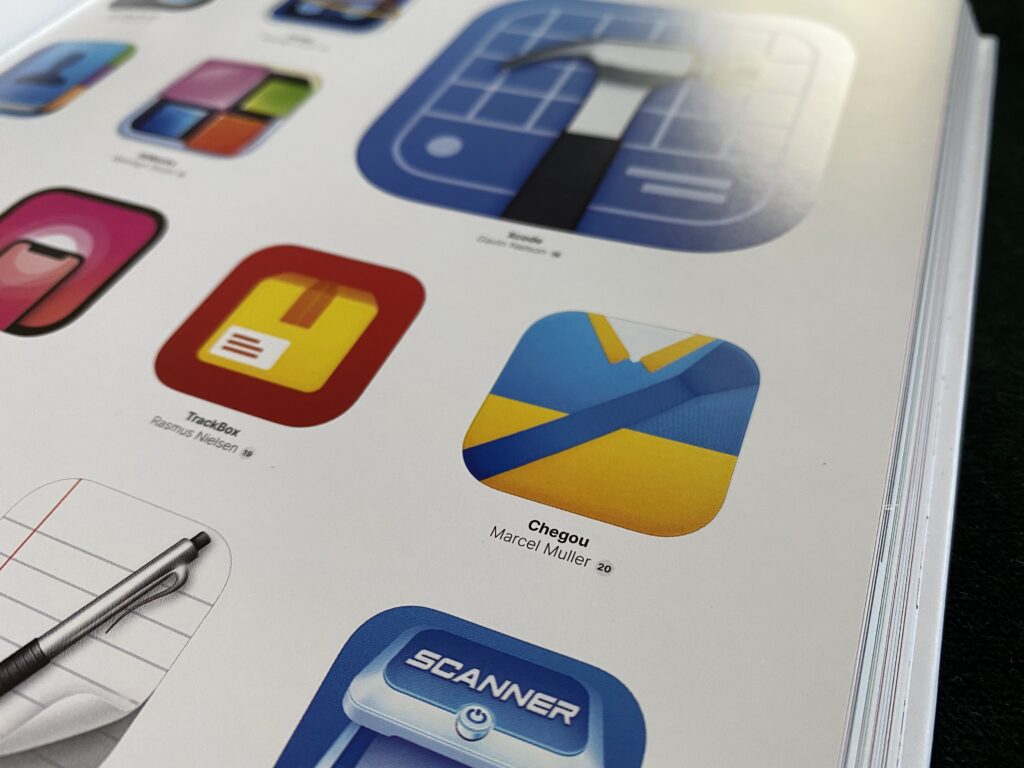
    The book is great, colours are vibrant and the printing quality absolutely superb. Containing over 150 pages and hundreds of icons, I hope this book’s gonna provide a ton of inspiration for me.

    One thing that I couldn’t not notice though is that there aren’t many icons by Brazilian or Brazil-based designers in the book.

    One that I could find is the gorgeous Chegou app icon by Marcel Muller. The icon is super recognisable and clean, it depicts the classic Correios uniform in blue and yellow.

    So in order to remedy this I will create my own collection of iOS app icons by fellow Brazilians and display it on this very website in the coming weeks!

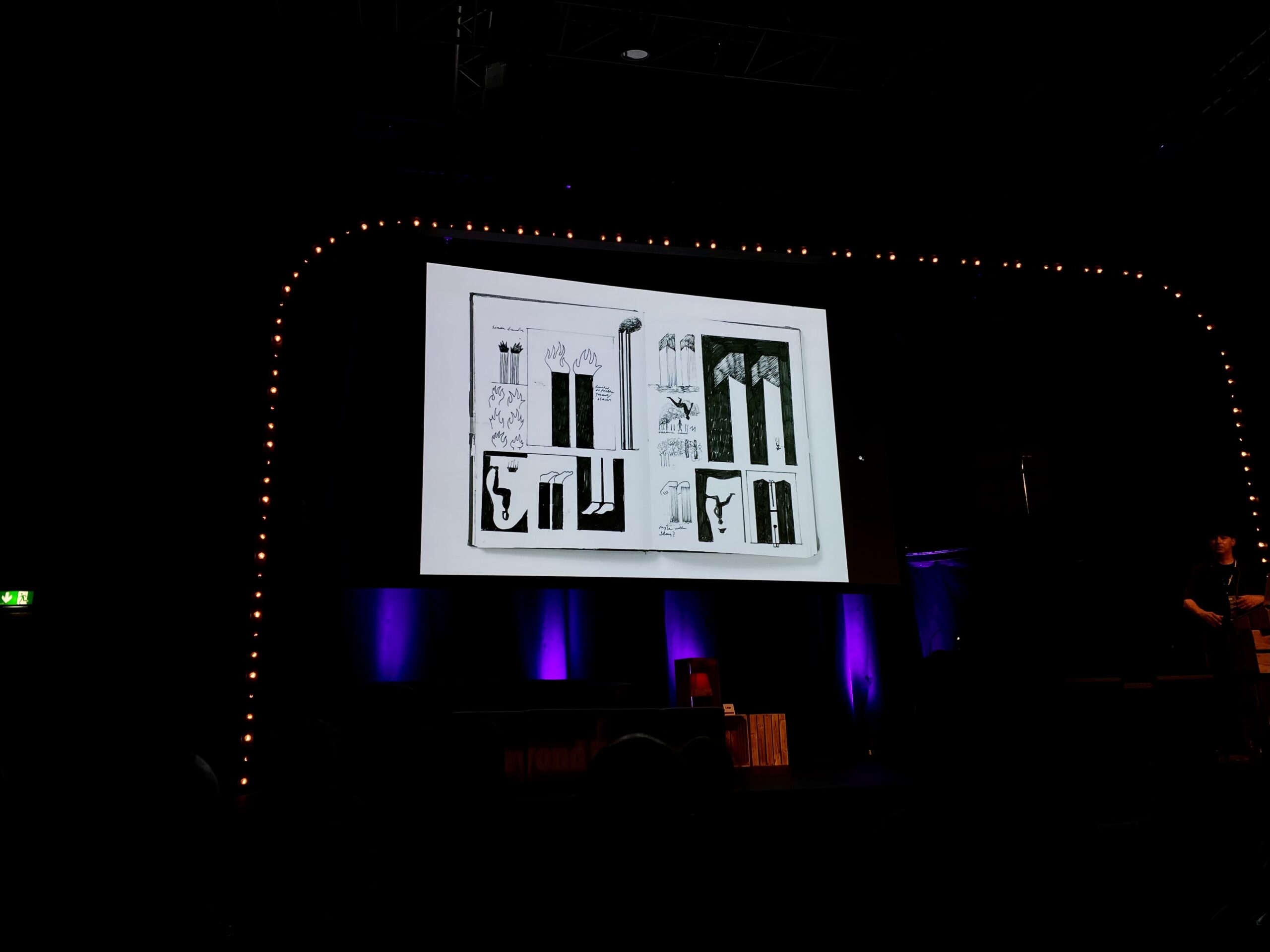
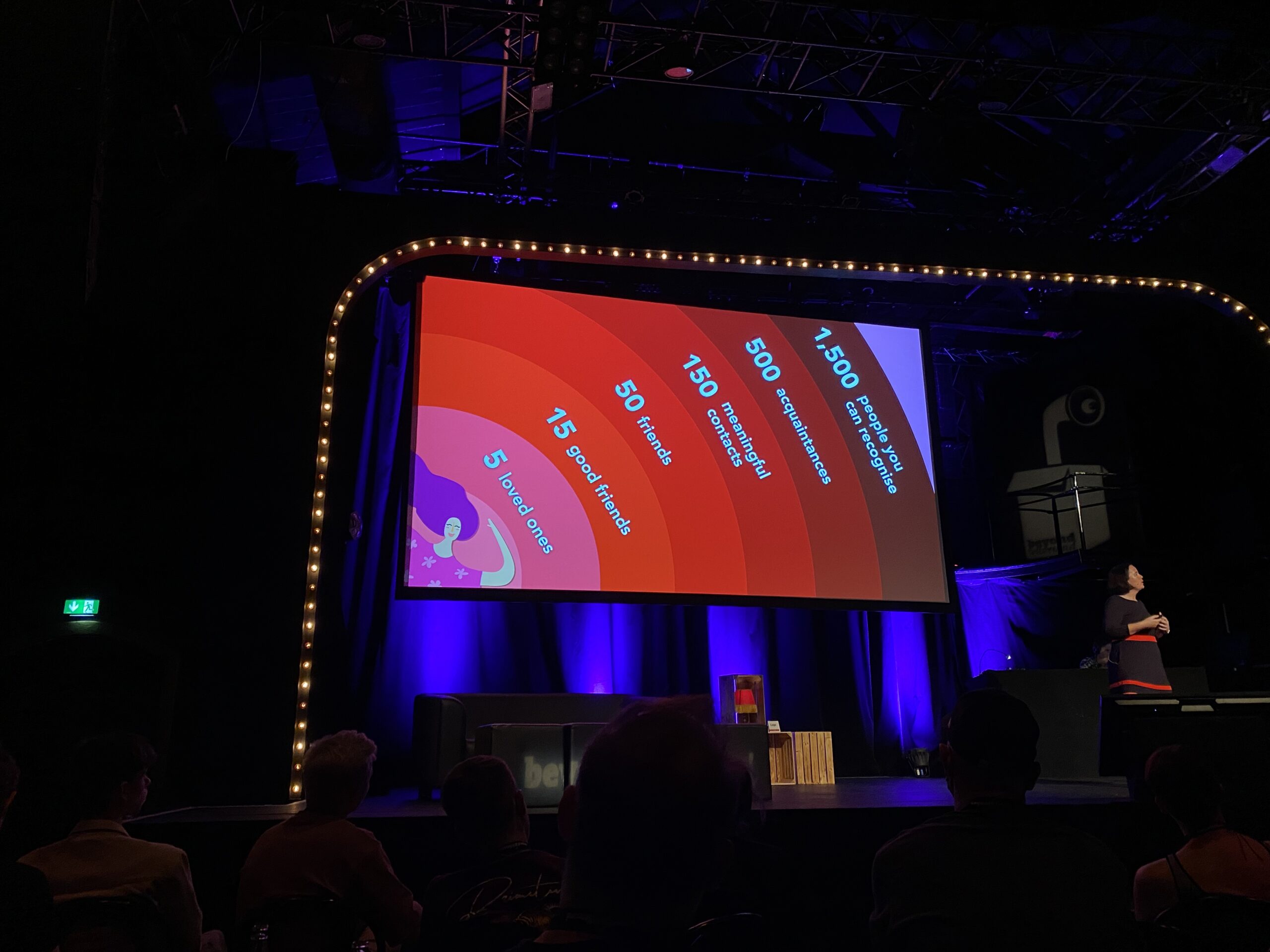
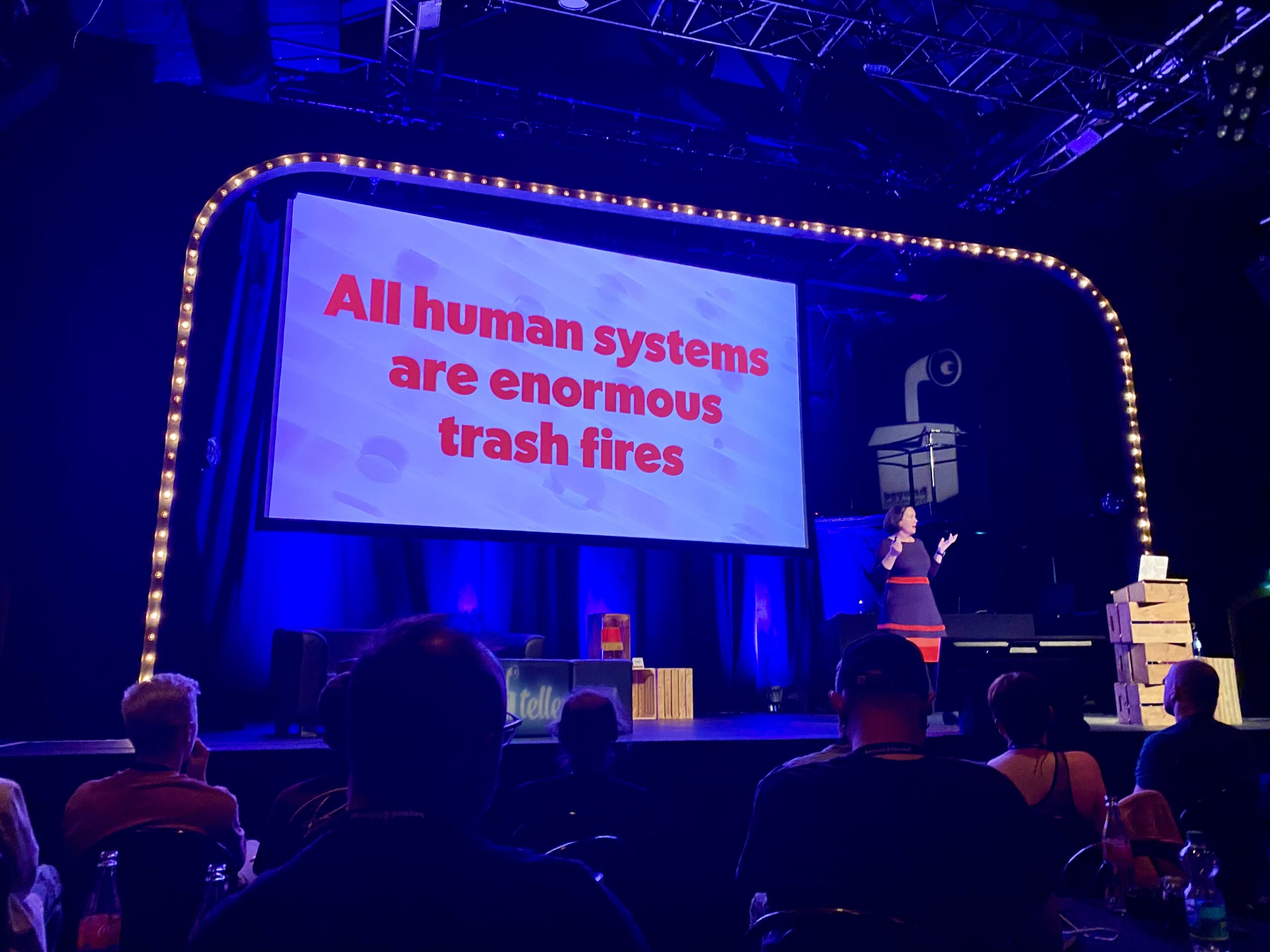
  • Beyond Tellerrand Day 1

    Beyond Tellerrand Day 1

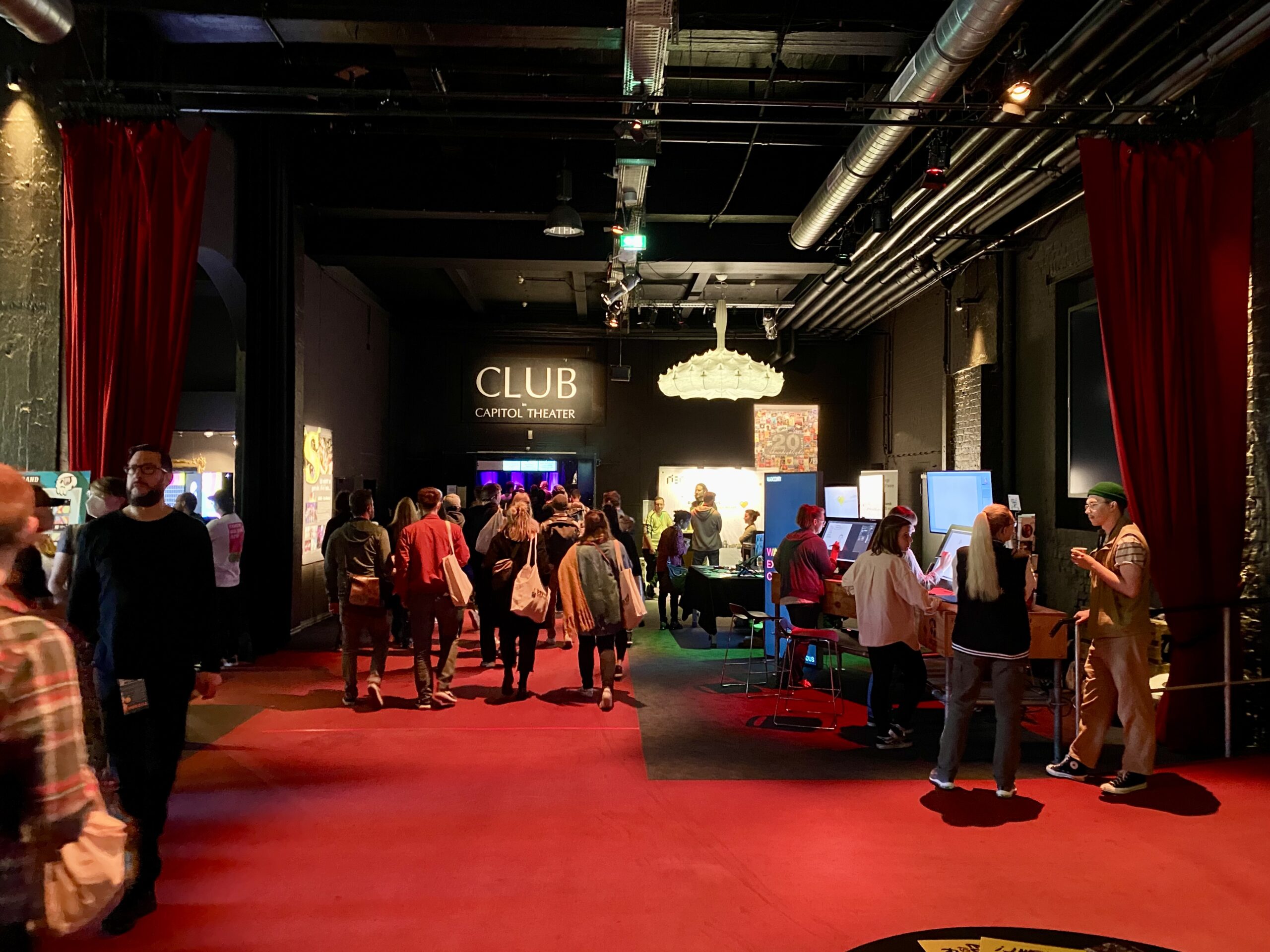
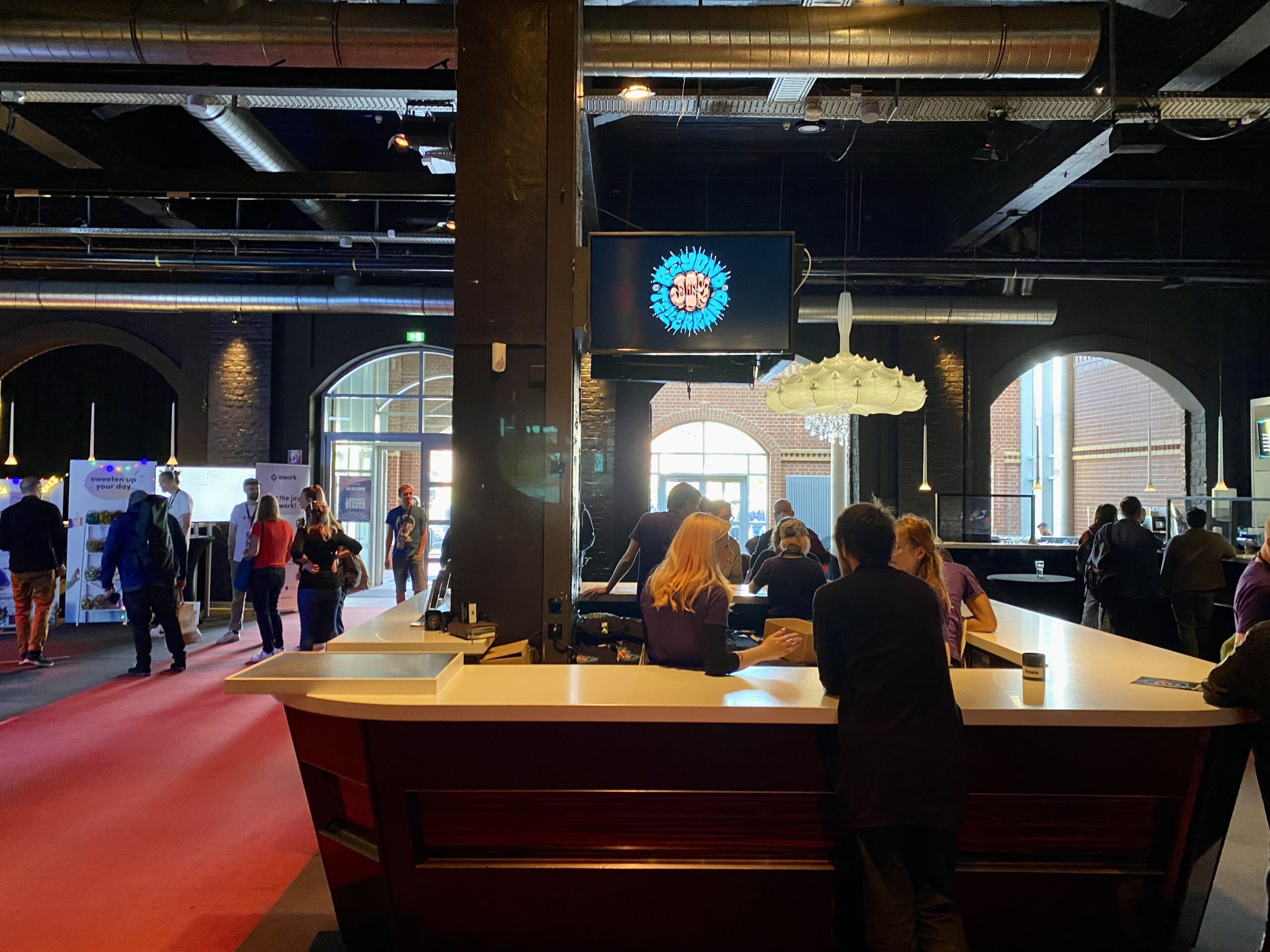
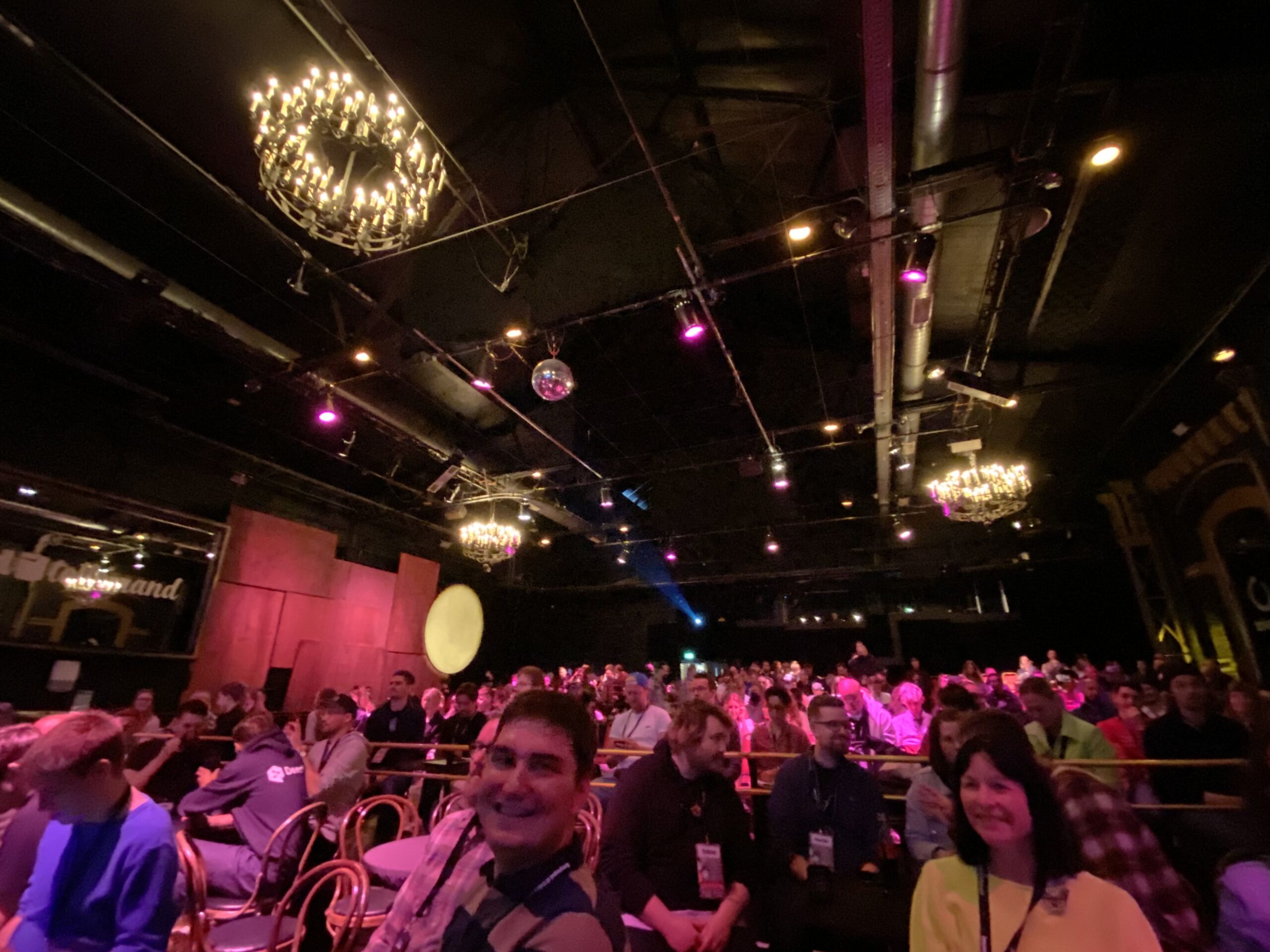
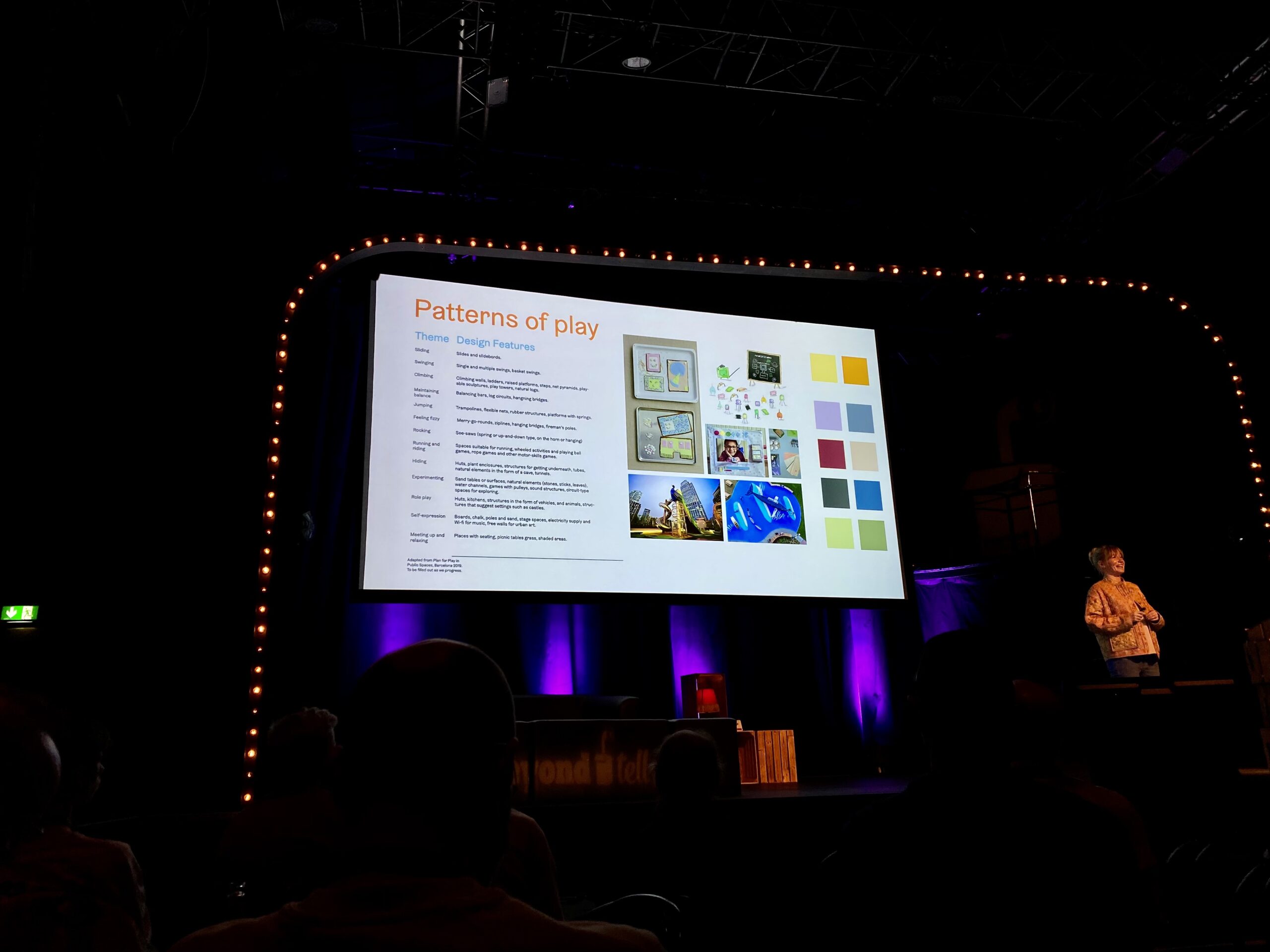
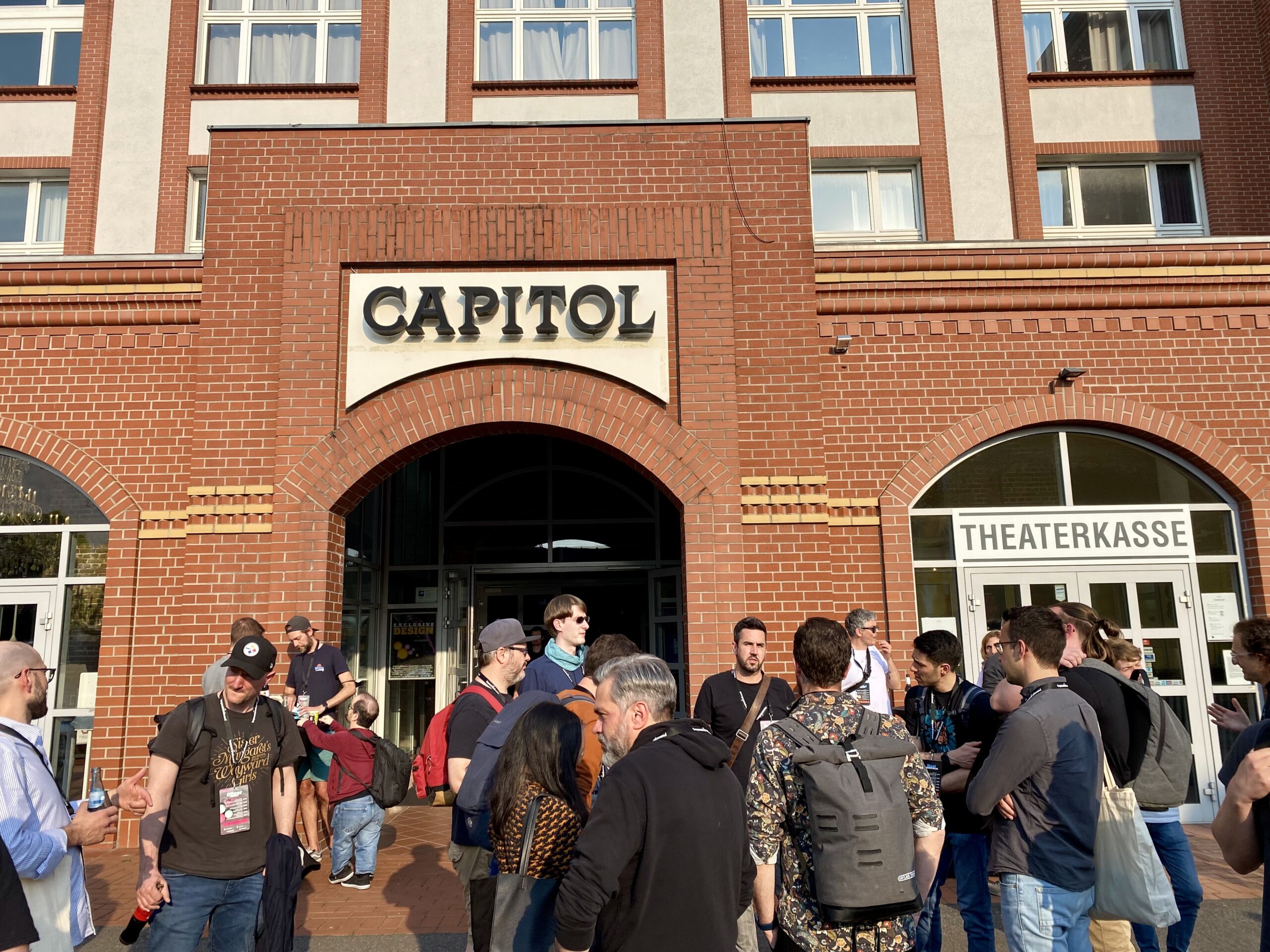
    I know it’s a bit late in the night and I should’ve been sleeping but I really wanted to write some words about the first day of the Beyond Tellerrand conference in Düsseldorf.

    The quality and diversity of talks and presentations is excellent. But of course what makes the event really shine are the people.

    I met some interesting folks from Slovenia and the UK. We chatted over some beers, discussed about the preservation of the web, the role of communities and the infinite depth of online fanfic communities.

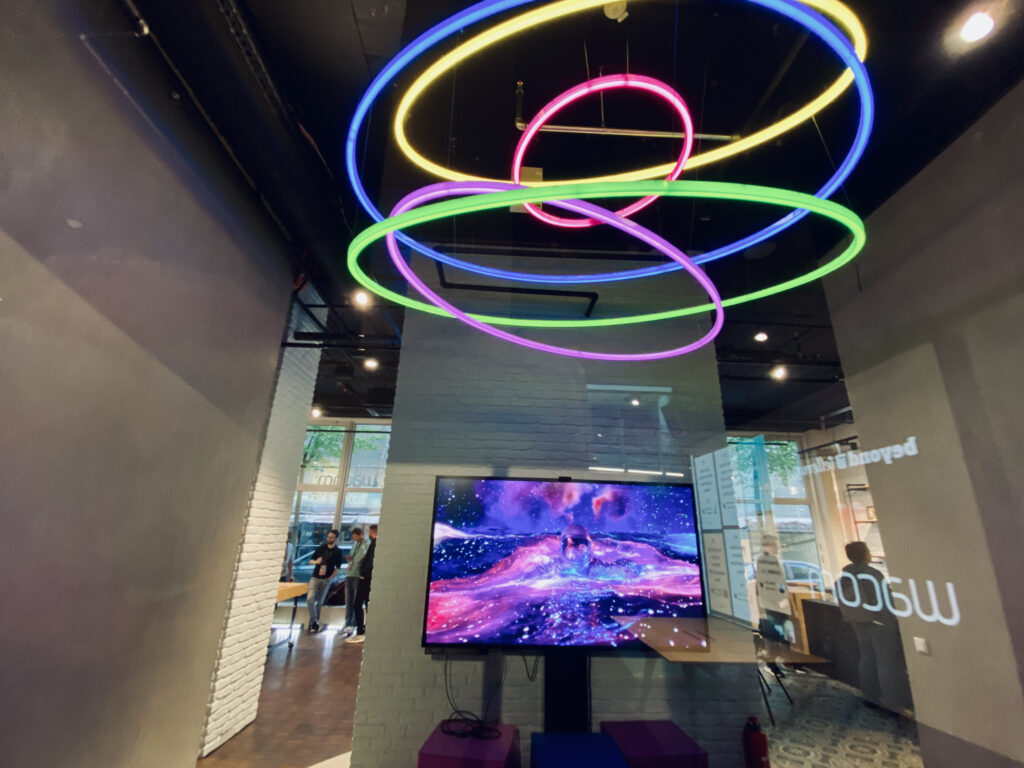
    Before that, on Sunday, I met some other people at the Wacom Experience Center. There was this super trippy room with a TV and neon lights in which I met this guy from Viena and we chatted about creativity.

    I learned that some of these people also attended the IndieWebCamp which’s this kind of self-organised, user-generated event that aims to help people to publish their on websites outside of corporate walled-gardens like Twitter, Google and Facebook.

    Honestly I couldn’t feel more inspired! That’s the kind of stuff that can make me go on for hours on end.

  • MiniTimer: a minimal macOS app for setting timers

    MiniTimer: a minimal macOS app for setting timers

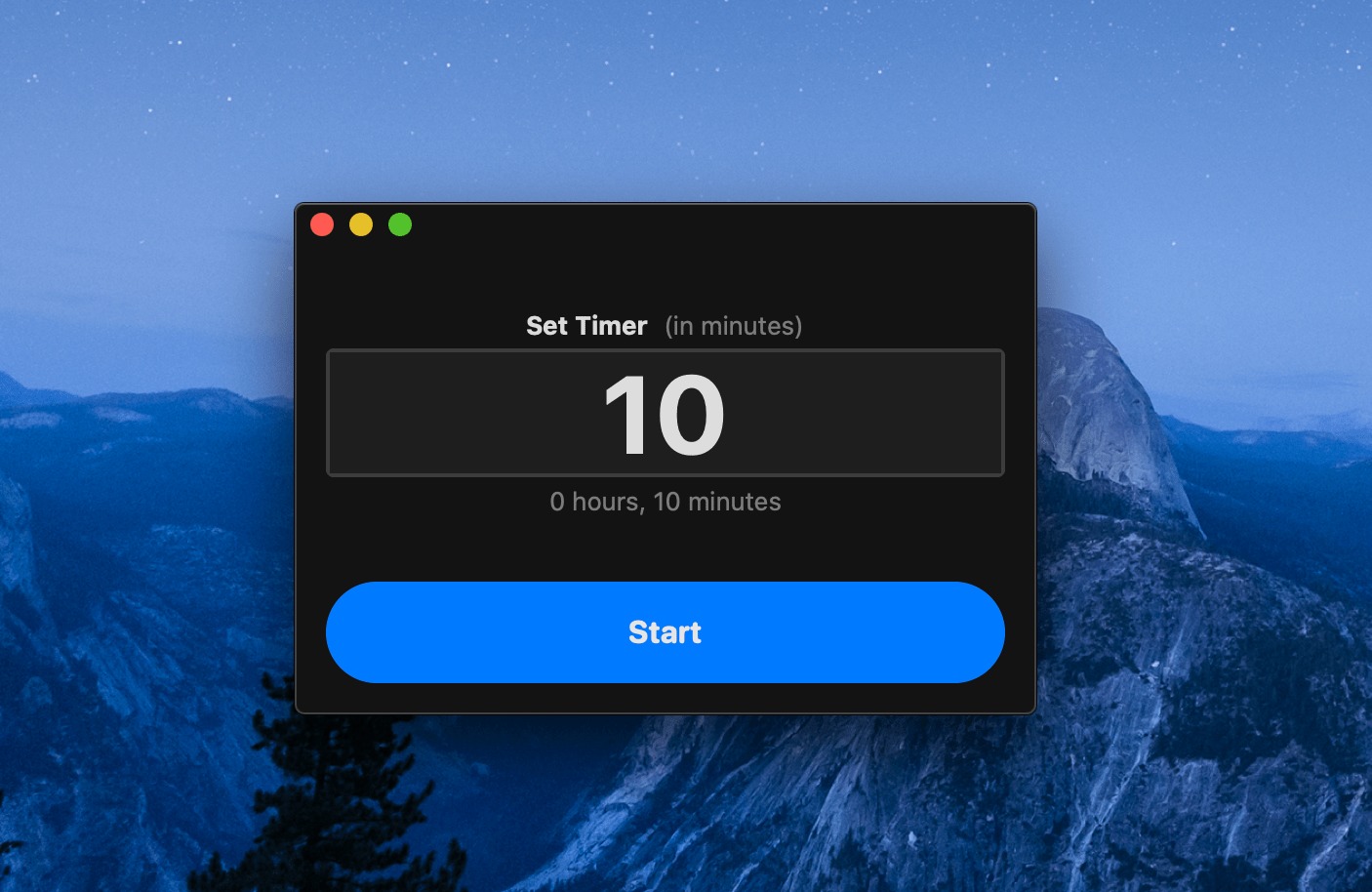
    Screenshot of the MiniTimer app displaying a 10 minute timer

    This past weekend I saw a tweet by Daniel Eden in which he created a very simple timer app using SwiftUI and Combine frameworks.

    I decided to make one for myself because I thought it would be really useful at work and also because it was a very practical way to learn some Swift programming.

    As I was at it I took the time to make a simple icon — because why not?

    The original code can be found in Daniel Eden’s Github. Thanks, Daniel!

    Download

    MiniTimer.zip (169 KB)

    Note: requires macOS Catalina or later.

  • The Stupidest Person in the Room

    From all the time that I spend consuming weird videos about vintage videogames, cooking, and programming, I am currently, particularly obsessed with Wintergatan’s channel on YouTube.

    In the Wintergatan Wednesdays’ series, Martin Molin shares his building process for the upcoming Marble Machine X, a musical instrument designed to produce tight music.

    “Being the stupidest person in the room is the best situation you can find yourself in… Because that’s where you’re learning.”

    Martin Molin
  • The Instagrammeuphoria

    The Instagrammeuphoria

    From this Vox article:

    Instagram has a way of flattening lived experiences so that my best years look exactly like my bad ones, and that everything seems pretty good, all the time, for everyone. This, obviously, is not how life works for most people, and ever since Instagram has existed experts have debated what seeing an infinite scroll of other people’s happy moments is doing to our brains.

    Then it goes on:

    […] Even when you know it isn’t real, that social media is a highlight reel of people’s lives and you shouldn’t compare yourself to anyone else, that it’s a trap and it will only make you feel bad about your life, which is overall probably a perfectly fine one, Instagram still has real, material consequences. Being good at Instagram is a ticket to more likes, more followers, more tiny hits of dopamine and ultimately more fame and money; a platform to launch a creative project and sell it, to be able to live the life we’re supposed to want.

    The whole article is worth a read.